Before You Die, Put Your House in Order
Before You Die, Put Your House in Order

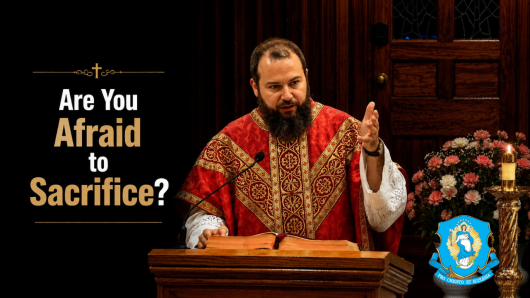
In this powerful homily for Friday, July 17, 2026, Fr. Daniel Klimek reflects on memento mori; the ancient spiritual practice of remembering that one day we will die. Death is inevitable, but contemplating it is not intended to fill us with despair. Instead, it awakens us to the importance of living every day with God and preparing our hearts for eternity. Our actions, choices, and daily decisions have eternal consequences. Fr. Daniel encourages us to put our spiritual house in order, turn away from sin, and contemplate the realities of Heaven and hell. God may draw us toward repentance through a deep love that desires to please Him or through a holy fear of being eternally separated from Him. Both remind us of what God desires to save us from and the eternal life He desires to give us. Readings for July 17th 2026: https://bible.usccb.org/bible/readings/071726.cfm © 2026 Marian Fathers of the Immaculate Conception. All rights reserved.
You might also like...