The Things That Truly Disappoint God
The Things That Truly Disappoint God

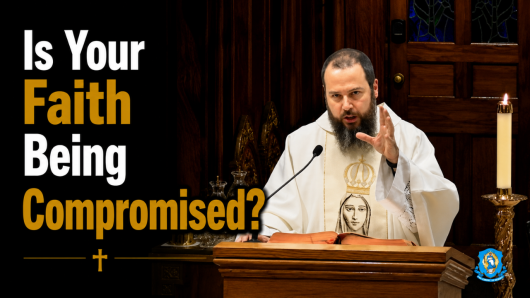
In today's homily, Fr. Daniel Klimek delivers a powerful reflection on God's disappointment with Israel and the pride of Judea; a message that speaks directly to our world today. While we may not worship pagan statues, many of us are tempted to place power, success, comfort, wealth, popularity, or personal desires above God, creating modern-day idols that slowly draw our hearts away from Him.
The homily reminds us that God continually calls His people to something far greater. "You are My people, My beauty, My praise." Every Christian has been entrusted with a mission. When we remain rooted in God, our lives bear fruit like flourishing branches. But pride and attachment to false gods distance us from the reality of who we were created to be. God is not disappointed because He stops loving us.He is disappointed because He knows who we are meant to become. When we reject the idols of this world, embrace humility, and allow His grace to work through even our smallest acts of kindness, we fulfill the mission for which He created us and become living signs of His love in the world. Readings for July 27th. 2026: https://bible.usccb.org/bible/readings/072626.cfm
© 2026 Marian Fathers of the Immaculate Conception. All rights reserved.
You might also like...