Return to God: The Unity Heaven Desires
Return to God: The Unity Heaven Desires

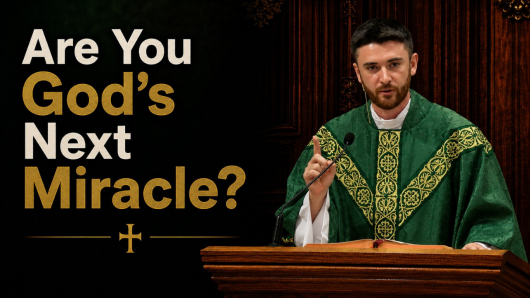
As we celebrate St. Francis of Assisi, Fr. David reminds us that true peace and unity do not come from human movements, but from conversion of heart. St. Francis lived a life of radical poverty, clinging only to the Cross of Christ. He owned nothing, desired no prestige, and sought only obedience to God and His Church. His mission was not to reform by revolt—but to rebuild by repentance.
In today’s world, many rally around causes promising unity—especially the call to “save the planet.” While caring for creation is good, our faith is about saving souls. As Fr. David explains, the unity we seek is not ecological or political, but spiritual. It comes through the Holy Spirit, poured into our hearts in Baptism. St. Paul urges us in Ephesians 4:3–6: “Be eager to maintain the unity of the Spirit in the bond of peace—one Lord, one faith, one baptism, one God and Father of all.”
Sin divides; grace unites. Division, confusion, and anger are the marks of Satan’s kingdom. The Holy Spirit is the bond of peace that restores true unity within the Body of Christ. And Our Lady of Fatima gave us Heaven’s own plan for this unity: repentance, Confession, the daily Rosary, consecration to her Immaculate Heart, and acts of reparation for sinners.
Fr. David reminds us that countless miracles at Fatima proved God’s mercy and power at work through Mary’s intercession. The world will know peace only when we return to God, to the Sacraments, and to the Immaculate Heart of Mary. No matter how dark the times, she is our refuge. Her triumph is coming—and with it, the renewal of unity and peace in Christ.
You might also like...