Play Before the Father
Play Before the Father

The readings for this homily: https://bible.usccb.org/bible/readings/120225.cfm
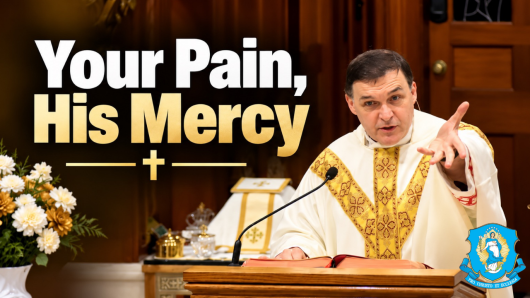
In Proverbs 8, Scripture reveals a tender mystery: before the world began, the Eternal Son “was beside Him… playing before Him at all times.” Before creation, before the angels, Jesus rejoiced in the Father’s presence with the freedom of a child. Fr. Anthony reminds us that this childlike joy is not optional—it is essential to the spiritual life. “Unless you become like little children, you will not enter the Kingdom of Heaven” (Mt 18:3).
We work, plan, strategize, and try to control everything. But God models something different: on the seventh day He rested—not out of fatigue, but delight. He teaches us to receive, to enjoy, to play. Children do this naturally. They don’t resent the snow; they run into it with joy. They teach us spontaneity, hope, and wonder—dispositions that open the heart to grace.
The saints lived this way. St. Therese taught her “little way” precisely because she recognized her own littleness and God’s greatness. St. Faustina wrote Diary only out of obedience, abandoning her own will for God’s. This surrender is the heart of Divine Mercy: “My will does not exist; now I do the will of God” (Diary).
Childlikeness is not immaturity—it is spiritual clarity. It is trusting that God will truly provide everything, spiritually and materially. It is receiving Holy Communion with the joy of a child opening a Christmas gift. It is letting Jesus “clean the house” of your soul. It is learning to say with Mary: “Let it be done to me according to Your word.”
You might also like...