The Miracle of the Loaves
The Miracle of the Loaves
Fr. Anthony Gramlich, reflects on the feeding of the 5,000 from Mark 6, revealing how Jesus’ compassion extends not only to our souls but also to our everyday needs. Learn how Divine Mercy invites us to trust God with both our spiritual and practical concerns—and to imitate Christ’s mercy in our daily lives.
You might also like...


Father Anthony reflects on the story of the disciples on the road to Jerusalem, revealing how the risen Jesus often walks beside us unseen in our moments of confusion, doubt, and grief. He shows how Christ patiently listens, opens the Scriptures, and gently warms the heart before revealing himself—not through spectacle, but in the simple breaking of the bread. What seemed like a stranger becomes the Lord, and sorrow gives way to joy as their eyes are opened.
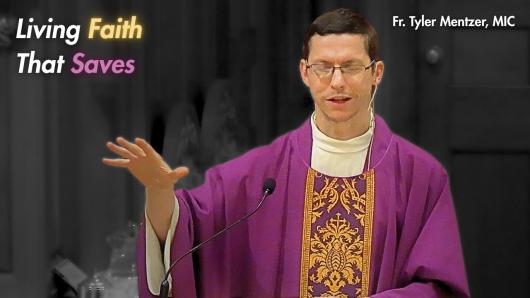
The readings for this homily: https://bible.usccb.org/bible/readings/032126.cfm