Fathers, Lead the Way to Eternal Life
Fathers, Lead the Way to Eternal Life

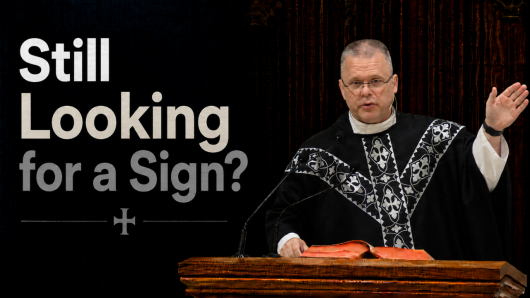
Fr. Gabe Cillo offers a heartfelt reflection on the sacred duty of fathers and elders to lead their families in faith, prayer, and devotion. Drawing from the story of the rich man and Lazarus (Luke 16:19–31), he reminds us that spiritual poverty — the refusal to listen to God — is more tragic than material lack. “If they will not listen to Moses and the prophets, neither will they be persuaded if someone should rise from the dead,” says the Lord. When we ignore Scripture, we reject the very voice of God.
Fr. Gabe calls fathers to reclaim their spiritual authority in the home — to prepare their families for Mass, to read Scripture together, to teach repentance, and to live mercy daily. A simple act — sharing the Gospel before Sunday, forgiving a long-held hurt, or reaching out to someone forgotten — can transform hearts. As St. Paul urged Timothy, “Fight the good fight of faith, take hold of the eternal life to which you were called.” (1 Tim 6:12).
The Christian life is not one of complacency but of daily conversion. Through Confession, fathers show their families the path of humility and renewal — that when we fall, we go back to Jesus, again and again. Baptism made us sons and daughters of God; perseverance in grace keeps us there. No matter the challenges, never lose heart. Keep praying. Keep sacrificing. We have Jesus defending us, the mercy that saves us, and Our Lady leading us through the Rosary. Say it with confidence and hope: Jesus, I trust in You.
You might also like...