The Prayer That Unlocks Heaven: “O God, Be Merciful to Me, a Sinner”
The Prayer That Unlocks Heaven: “O God, Be Merciful to Me, a Sinner”

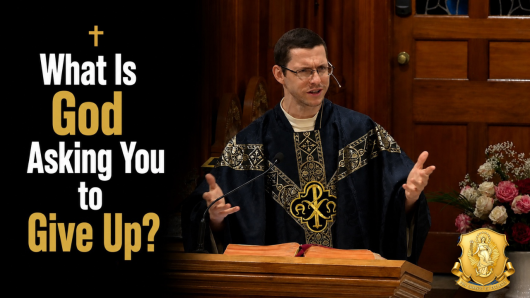
In today’s homily, Fr. Tyler Mentzer reflects on one of the most powerful prayers ever uttered: “O God, be merciful to me, a sinner.” These few words reveal the essence of the Gospel — the cry of a heart that finally recognizes its total dependence on God’s mercy. True humility is not self-hatred but truth before God. When we admit that we cannot save ourselves, we open the floodgates of divine mercy.
The Pharisee in today’s Gospel prays to himself, boasting of his good works and self-sufficiency. But the tax collector, despised by society, prays to God — acknowledging his sin, confessing his unworthiness, and begging for mercy. And Jesus declares that he, not the self-righteous Pharisee, goes home justified. The same is true for us. God’s mercy isn’t earned by our perfection; it’s received when we open our hearts in truth.
As St. Augustine wrote, “Our hearts are restless until they rest in You, O Lord.” The humble soul finds rest not in self-improvement, but in surrender — in the honest cry, “O God, be merciful to me, a sinner.” This prayer is not just for the beginning of the spiritual life but for every stage of holiness, from first conversion to final perfection.
Fr. Tyler reminds us that Jesus Christ alone saves — not our works, not our efforts, but His grace poured out from the Cross. In every Mass, we approach this same mercy made flesh in the Eucharist. The very heart of God enters our hearts to heal, sanctify, and unite us to Himself. Let us pray, then, with every breath and every beat of our hearts: “O God, be merciful to me, a sinner.”
You might also like...