Leaving the Nets to Rest With the Lord
Leaving the Nets to Rest With the Lord

The readings for this homily: https://bible.usccb.org/bible/readings/011226.cfm
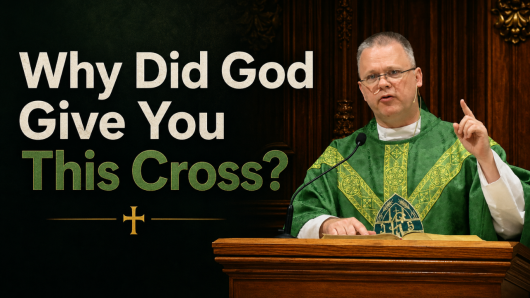
Father Daniel Klimek, PhD reflects on the beginning of Christ’s public ministry and the radical call of discipleship. When Jesus calls the first apostles, He does not simply invite admiration, but demands surrender. Peter leaves his nets behind—his livelihood, his security, his safety—to follow Christ. Those nets, Fr. Daniel explains, symbolize the attachments and “safety nets” that often keep us from deeper freedom in God.
Discipleship always requires sacrifice. Christ asks for totality, not partial allegiance. “You cannot serve both God and mammon” (Mt 6:24; NABRE). Idols must be broken so that Jesus may take first place in the heart. Yet this surrender is not rooted in fear, but in love. God desires intimacy, the love of a divine Bridegroom who wants the whole heart of His beloved.
Father Daniel reminds us that true discipleship is not merely intellectual. The apostles were transformed because they spent time with Jesus—resting in His presence, listening, and being sanctified by Him. That same presence remains with us today in the Holy Eucharist. In Eucharistic adoration, Christ heals anxiety, grants supernatural peace, and draws souls into deeper friendship with Him.
Even fatigue before the Blessed Sacrament is not wasted. Resting in Christ’s presence is still prayer. As Scripture assures us, “Come to me, all you who labor and are burdened, and I will give you rest” (Mt 11:28; NABRE). Time given to Jesus is never lost—it is the sacrifice that forms true disciples.
You might also like...